![MNML Aesthetics text logo-2.png]](https://www.mnmlaesthetics.co/hs-fs/hubfs/MNML%20Aesthetics%20text%20logo-2.png?height=21&name=MNML%20Aesthetics%20text%20logo-2.png)
1. Patient Preparation
- Informed Consent
Ensure the patient signs a photo consent form indicating whether the photos may be used for internal records only or for external marketing purposes. - Clothing Guidelines
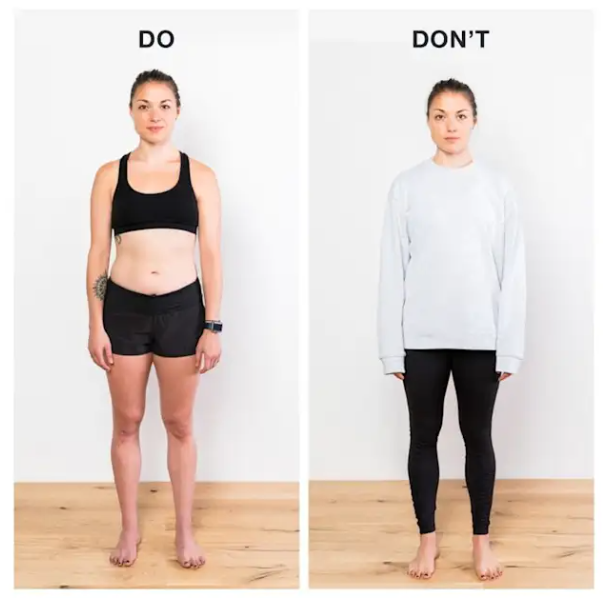
- Patients should wear the same or similar fitted garments for both before and after sessions.
- Avoid bulky, patterned, or dark clothing that may obscure treatment areas.
- Suggested: Form-fitting shorts and a sports bra or compression tank for abdominal and flank treatments.
- Skin Preparation
- Skin should be clean, dry, and free of oils, lotions, or body makeup.
- Remove jewelry that may distract or obstruct the area of focus.
2. Environment Setup
- Background
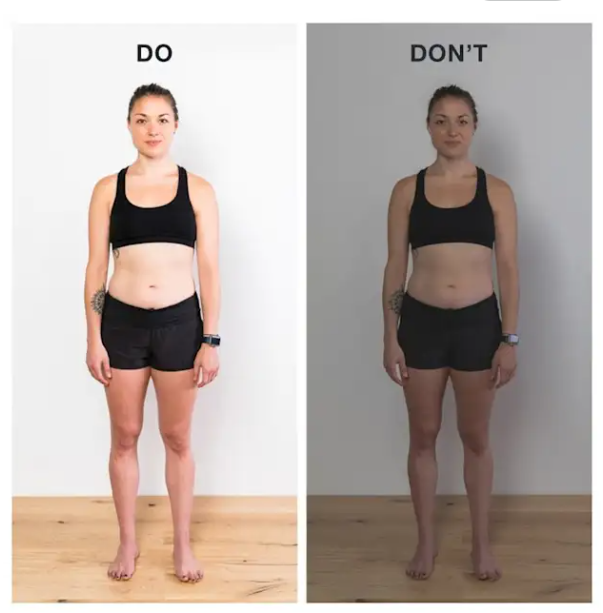
- Use a solid-colored, non-reflective background (ideally white, grey, or blue).
- Avoid cluttered or distracting surroundings.
- Lighting
- Use consistent, diffused lighting (e.g., ring lights or softbox lighting).
- Avoid shadows or harsh lighting that can distort appearance.
- Camera Position
- Use a tripod for consistent height and angle.
- Camera should be placed at mid-torso level (typically belly-button height).
- Maintain a fixed distance from the patient (standardize using floor tape or a fixed camera mount).
3. Patient Positioning
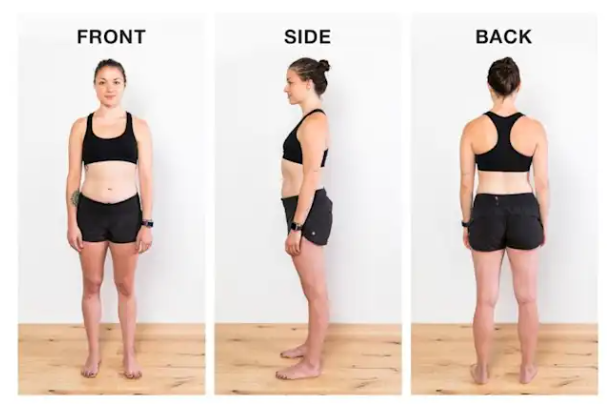
Capture the following standardized views:
- Frontal View: Arms relaxed at sides, feet shoulder-width apart.
- Left Side Profile: Arms slightly away from the body to expose contour.
- Right Side Profile: Same as above.
- Back View: Arms relaxed, feet shoulder-width apart.
Optional:
- ¾ Angled Views: Useful for showcasing contour improvements in the waist and hips.
Ensure posture is upright and natural in all images. Patients should look straight ahead with a neutral expression.
4. Technical Settings
- Use a high-resolution digital camera or smartphone with at least 12MP.
- Disable beauty filters or enhancements.
- Maintain consistent white balance and lighting settings.
- Label files with patient ID, date, and view (e.g., "Patient123_Before_Front").
5. Timing of Photos
- Before Photos: Taken immediately before the first treatment session.
- After Photos: Taken at standard intervals (e.g., 4 weeks, 8 weeks, and 12 weeks post-treatment), or once visible results are expected.
6. Documentation & Storage
- Store images in a secure, HIPAA-compliant system.
- Document date of treatment, protocol used, and photos taken in the patient's chart.
- Ensure accessibility for comparison during consultations and follow-ups.
7. Ethical & Marketing Considerations
- Never alter or digitally modify images to exaggerate results.
- Ensure any public-facing photos reflect true and typical outcomes.
- Clearly state the time frame between before and after photos when used for marketing.
By adhering to this guide, your clinic will ensure consistent, ethical, and clinically valuable photographic documentation of patient progress in weight loss and body contouring treatments.